

Licensing and co-development of Pathogen Capture Technology
Capture.
Not kill.
Aquila's patented Pathogen Capture Technology (PCT) binds viruses, bacteria and fungi and physically removes them, without relying on alcohol or traditional harsh biocides.
- No alcohol
- No antimicrobial resistance pressure
- Biodegradable glycan chemistry
- Scalable
Conceptual visualization of a pathogen binding to a glycan-presenting surface.
The engine inside our partners' products.
PCT is an ingredient platform, not a product line. Aquila supplies the capture technology, formulation know-how and evidence; partners keep their product, channel and customers.
- Captures rather than kills, so it does not promote antimicrobial resistance
- No alcohol, biocides or toxic disinfectants
- Broad spectrum: viruses, bacteria and fungi
- Integrates into wipes, gels, sprays, filters, coatings and more
- Biodegradable and suited to skin and mucosa
Molecular hooks.
Every pathogen — viral, bacterial or fungal — infects by binding to carbohydrates on the surface of human cells. It is the one step none of them can skip.
PCT presents a better target: the pathogen binds to the product instead of the person, and leaves with it. Unlike biocides, there is nothing chemical for a pathogen to adapt to.
- Attract. PCT decoy molecules present the binding site the pathogen looks for.
- Bind. The pathogen binds to PCT, not the user.
- Remove. The pathogen leaves with the product.


Follow one pathogen through capture
Step through the four stages of the PCT mechanism. Use the buttons, or the arrow keys when the explorer has focus.
1/4 Recognition
Pathogens infect by binding to carbohydrates on the surface of human cells. PCT presents engineered glycan structures selected for the target pathogen, so the pathogen recognises the product as a binding site.
2/4 Multivalent binding
The engineered glycan–protein surface forms multiple simultaneous bonds with the pathogen. Many weak, selective interactions add up to a strong overall hold.
3/4 Immobilisation
Because binding is multivalent, the capture holds: rinsing, wiping or airflow does not release the pathogen from the material.
4/4 Removal
The captured pathogen leaves with the wipe, dressing or filter. Nothing is chemically attacked, so there is nothing for the pathogen to adapt to.

Conceptual visualization — not a literal molecular model.
Evidence at a glance
- SARS-CoV-2 captured and removed from human skin
- 99.9%
- Independent testing, AB Decontamination Device
- Pathogens evaluated
- 30+
- Independent laboratory testing
- Spun out of the University of Galway
- 2012
- After R&D that began at the University
- Certified quality system
- ISO 13485
- Medical device design and manufacture
Full test reports and pathogen panels are available under NDA. Browse the evidence record.
One mechanism. Many markets.
PCT is a licensable platform. Pick a market to see where it fits and in which formats.
Skincare and acne care
Tested against named skin organisms, including Cutibacterium acnes, Candida albicans and Malassezia furfur.
Typical formats
- Gels and serums
- Wipes
Intimate and feminine hygiene
Alcohol-free and biocide-free, suited to mucosa and repeat use.
Typical formats
- Wipes
- Rinses and washes
- Gels and serums
Surgical, wound and peri-operative
Wound dressings and device formats built around physical capture.
Typical formats
- Dressings
- Medical devices
Clinical and facility hygiene
Hygiene for skin and surfaces in clinical and dental settings.
Typical formats
- Wipes
- Sprays
Household hygiene
Pathogen removal for shared spaces with no biocidal actives.
Typical formats
- Wipes
- Sprays
Air and water filtration
Air, water and diagnostic filtration using the PCT capture mechanism.
Typical formats
- Filters
Coatings and paints
Licensed conversion with coatings, paints, textiles and filter media partners.
Typical formats
- Coatings and paints
Food, produce and agriculture
Listed by Aquila as an application route for PCT.
Typical formats
- Rinses and washes
- Coatings and paints
Defence and CBRN
First developed with the Irish Defence Forces to remove biothreats from skin.
Typical formats
- Wipes
Aviation and space
Exploratory. Aquila joined the ESA Discovery Programme in 2025–26.
Typical formats
- Wipes
- Filters
Your product. Powered by PCT.
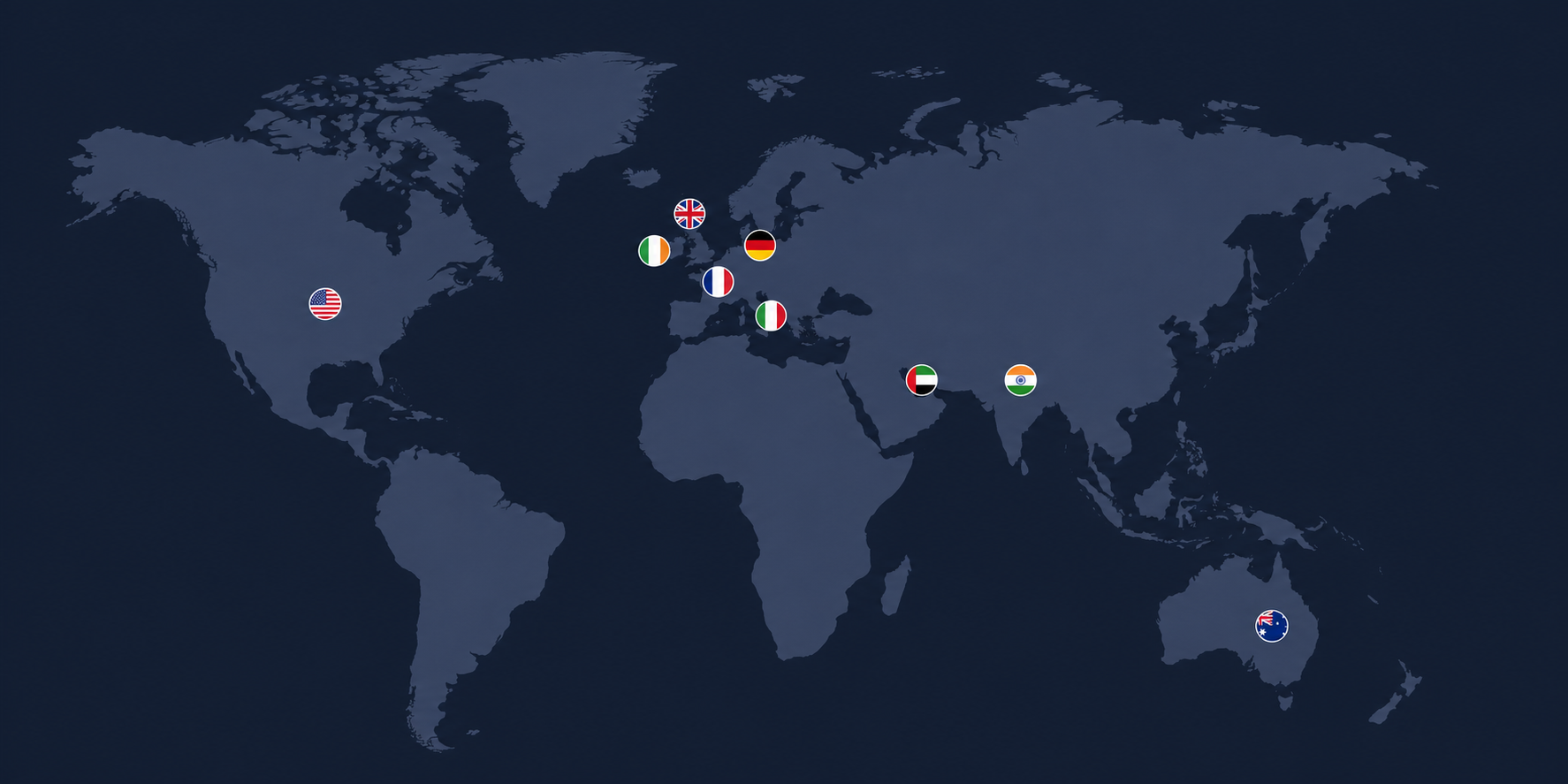
PCT is supplied to manufacturing partners and customers across the globe, serving both the consumer personal care and medical device sectors.
Programmes and institutions behind the work
- European Union (co-funded)
- European Defence Agency
- European Space Agency
- European Innovation Council
- Enterprise Ireland
- Defence Forces Ireland
- University of Galway
- University of Defence, Czech Republic
- MRIGlobal
- Aurena Laboratories
Bring PCT into your product or programme.
Tell us your target pathogen, your product format or your field challenge. Thirty minutes with the science team is enough to know whether PCT is the right fit before you commit to anything.